
Category Page SEO: The Most Overlooked Opportunity in Online Stores
Category page SEO is often an underappreciated aspect of online stores. These pages enhance user experience by improving site navigation and organizing products effectively. Optimizing titles and descriptions caters to user intent, boosting engagement and conversions. High-quality visuals can further captivate users, while regular analysis of performance metrics identifies areas for improvement. By avoiding common mistakes and focusing on key strategies, businesses can unlock significant growth potential. Discover how to harness this opportunity for optimal results.
Key Takeaways
- Category pages enhance user experience and navigation, leading to higher conversion rates through strategic product organization.
- Optimizing content for user intent boosts engagement and customer satisfaction, transforming shopping into enjoyable experiences.
- High-quality visuals and optimized images improve dwell time, reducing bounce rates and encouraging exploration.
- Regularly analyzing key metrics helps identify areas for improvement, enhancing overall category page performance.
- Implementing unique content and optimizing meta tags prevents common SEO mistakes that hinder visibility and click-through rates.
The Importance of Category Pages for E-Commerce Success

In the realm of e-commerce, the significance of category pages cannot be overstated. These pages serve as the backbone of an online store, guiding users through various product offerings. Effective category page optimization enhances user experience and improves site navigation, leading to higher conversion rates. By strategically organizing products, businesses can help customers find what they need quickly and intuitively.
Moreover, ecommerce category page SEO plays a crucial role in attracting organic traffic from search engines. Well-optimized category pages with relevant keywords and informative content can significantly boost visibility. This not only improves search rankings but also encourages click-throughs, ultimately driving more potential buyers to the site.
Understanding User Intent for E-Commerce Category Pages
Understanding user intent is vital for optimizing e-commerce category pages effectively. By grasping what potential customers seek, businesses can tailor their category page SEO strategies to enhance user experience and drive conversions.
Recognizing user intent allows e-commerce stores to address specific needs and preferences, ultimately leading to increased customer satisfaction.
Key elements of user intent include:
- Navigational: Users looking to browse a specific category.
- Informational: Users seeking detailed product information or comparisons.
- Transactional: Users ready to make a purchase and looking for the best options.
Optimizing Your Category Page Titles

Effective category page titles play a crucial role in both SEO and user engagement. These titles serve as the first point of contact for potential customers and search engines alike.
To optimize category pages for SEO, it is essential to create titles that are not only descriptive but also incorporate relevant keywords. This enhances visibility and improves search rankings.
Titles should accurately reflect the content of the category, ensuring they resonate with user intent. Additionally, keeping titles concise—ideally under 60 characters—helps to avoid truncation in search results, providing a complete message to users.
Incorporating primary keywords naturally within the title can further bolster category page SEO, making it easier for search engines to index the page effectively.
Crafting Compelling Descriptions for Category Pages
- Inspire confidence: Clear descriptions build trust, making customers feel secure in their choices.
- Highlight uniqueness: Emphasizing what sets products apart can turn casual browsers into buyers.
- Facilitate navigation: Well-structured descriptions guide users seamlessly through their shopping journey.
To achieve these benefits, it is essential to incorporate relevant keywords naturally and maintain a conversational tone.
This approach not only improves search engine rankings but also resonates emotionally with the audience.
Ultimately, effective category descriptions can transform a mundane shopping experience into an enjoyable adventure, fostering loyalty and encouraging repeat visits.
How Visuals Can Improve Category Page SEO

Visual elements play a crucial role in enhancing category page SEO by engaging users and improving overall site performance. High-quality product images not only capture attention but also help convey the value and features of items more effectively than text alone.
When users are drawn in by appealing visuals, they are more likely to explore further and make purchases, which can reduce bounce rates and increase dwell time—both vital factors for SEO.
Additionally, properly optimized images can improve search engine visibility. By using descriptive file names and alt text, online stores can enhance their chances of appearing in image search results. This not only drives traffic to category pages but also provides a better user experience.
Ultimately, integrating compelling visuals into category pages creates an inviting atmosphere that encourages exploration, leading to higher conversion rates and improved SEO.
Internal Linking Strategies for Better SEO
Integrating strong internal linking strategies can significantly enhance category page SEO. By effectively utilizing internal links, online stores can improve site navigation and distribute page authority, ultimately boosting their ranking potential.
A well-structured internal linking strategy not only helps search engines but also guides users through the site seamlessly.
Consider these emotional benefits of effective internal linking:
- Increased Discoverability: Users can easily find related products, enhancing their shopping experience.
- Higher Engagement: With clear pathways, visitors are encouraged to explore more pages, reducing bounce rates.
- Enhanced Trust: A well-organized site fosters confidence in the brand, making users more likely to complete purchases.
Prioritizing internal link optimization on category pages can lead to better visibility in search results and a more satisfying user experience.
Implementing these strategies is crucial for any online store aiming to thrive in a competitive landscape.
Leveraging User-Generated Content to Boost Engagement

Harnessing user-generated content (UGC) can significantly enhance engagement on eCommerce category pages. By showcasing customer reviews, photos, and testimonials, businesses can create a more interactive user experience that resonates with potential buyers. UGC not only builds trust but also encourages community participation, leading to increased time spent on the site.
| UGC Type | Benefits |
| Customer Reviews | Builds trust and credibility |
| User Photos | Enhances relatability |
| Testimonials | Provides social proof |
| Q&A Sections | Encourages interaction |
| Polls and Surveys | Gathers insights |
Incorporating these elements can transform category pages into dynamic platforms that engage users. By leveraging UGC, brands can create a vibrant online community, ultimately driving conversions and fostering loyalty among customers.
Why Mobile Optimization Matters for Your Category Pages

How critical is mobile optimization for eCommerce category pages? In today’s mobile-first world, ensuring that category pages are optimized for mobile devices is essential for capturing consumer interest and driving sales. Without effective mobile optimization, businesses risk losing potential customers who expect a seamless shopping experience.
Key reasons mobile optimization is vital include:
- User Experience: A responsive design enhances navigation, making it easier for users to find products.
- Search Rankings: Google prioritizes mobile-friendly sites, impacting category pages for SEO and visibility.
- Conversion Rates: Optimized pages lead to higher conversions, as users are more likely to complete purchases on well-designed mobile sites.
Incorporating mobile optimization into category pages can significantly enhance user engagement and overall performance, making it a crucial aspect of any eCommerce strategy.
Monitoring Performance Metrics for Continuous Improvement
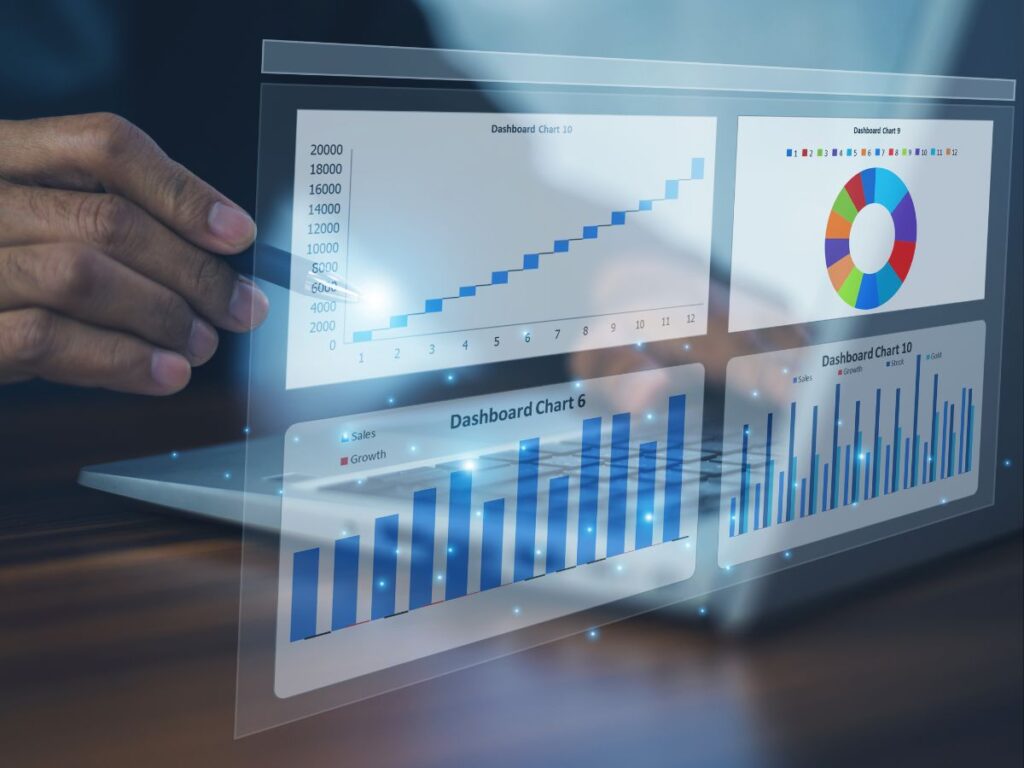
Mobile optimization sets the stage for effective performance monitoring on eCommerce category pages. By employing robust monitoring performance metrics, businesses can continually enhance their category page SEO strategies. Key performance indicators (KPIs) such as bounce rate, conversion rate, and average session duration help assess user engagement and identify areas for improvement.
| Metric | Description | Importance |
| Bounce Rate | Percentage of visitors leaving early | Indicates content relevance |
| Conversion Rate | Rate of visitors completing purchases | Measures effectiveness of pages |
| Average Session Duration | Time users spend on a page | Reflects user engagement |
| Page Load Time | Speed at which the page loads | Affects user experience |
| Click-Through Rate | Percentage of users clicking links | Shows interest in displayed items |
Regular analysis of these metrics allows for informed decisions, promoting ongoing enhancements in category page SEO performance.
Common Category Page SEO Mistakes to Avoid
While optimizing category pages for SEO, many businesses often overlook critical elements that can undermine their efforts.
These common category page SEO mistakes can lead to missed opportunities for traffic and conversions:
- Neglecting Unique Content: Using duplicate content across category pages can confuse search engines and dilute ranking potential.
- Ignoring Meta Tags: Failing to optimize title tags and meta descriptions can result in low click-through rates from search engine results.
- Overlooking Internal Linking: Not incorporating internal links limits navigation and can negatively impact the user experience.
Final Thoughts
Category page SEO is a valuable yet often overlooked strategy that can significantly improve both search visibility and the overall shopping experience in online stores. When category pages are optimized with user intent, clear content, strong visuals, internal links, and mobile-friendly design in mind, they become more effective at attracting traffic and guiding customers toward purchase decisions. For e-commerce businesses aiming for sustainable growth, investing in category page optimization can unlock meaningful gains in engagement, conversions, and long-term performance.
If you want to turn category pages into stronger drivers of traffic and sales, an SEO specialist Philippines can help shape a more strategic approach for your store.