
3 Fresh SEO Tactics Post-Algorithm Update
With the latest changes to search algorithms businesses must adopt fresh SEO strategies to stay visible on the internet. Start by optimizing for voice search with long-tail keywords and schema markup to capture conversational queries. Improve how users interact with your website. Make sure it loads quickly works well on mobile devices, and has an easy-to-use navigation system. This meets the standards that today’s users expect. Harness AI and machine learning to personalize content and utilize predictive analytics for a proactive approach to SEO strategy. Follow these steps. They match what search engines want now. This opens new ways to improve your online visibility. It gives you an edge over competitors in the constantly changing world of search engine optimization.
Key Takeaways
- Implement schema markup to provide clear context to search engines, improving visibility and relevance in voice search results.
- Concentrate on developing material that resolves particular user inquiries.
- Optimize website speed and mobile responsiveness to enhance user experience and reduce bounce rates.
- Utilize AI-driven content personalization to meet user preferences and increase engagement.
- Adapt content strategies quickly based on predictive analytics to stay ahead of algorithm changes.
Optimize for Voice Search
In today’s rapidly evolving digital landscape, optimizing for voice search has become an essential component of a comprehensive SEO strategy. As voice-activated devices gain widespread popularity, understanding how to align your website content with voice search queries is crucial.
One fundamental approach is to incorporate long tail keywords, which tend to mirror the natural, conversational phrases users employ when speaking to their devices. This involves crafting content that answers specific questions users might ask, such as “What is the best Italian restaurant near me?” rather than focusing solely on broad, generic keywords.
Optimizing for local searches is crucial for voice search SEO since many voice queries focus on finding local information. Ensuring your business is accurately represented in local listings and using location-based keywords can significantly enhance visibility to nearby searchers.
Additionally, featured snippets play a pivotal role in voice search results. Structuring your content to answer common questions concisely increases the likelihood of your site being selected for a featured snippet, which is often the source of information for voice responses.
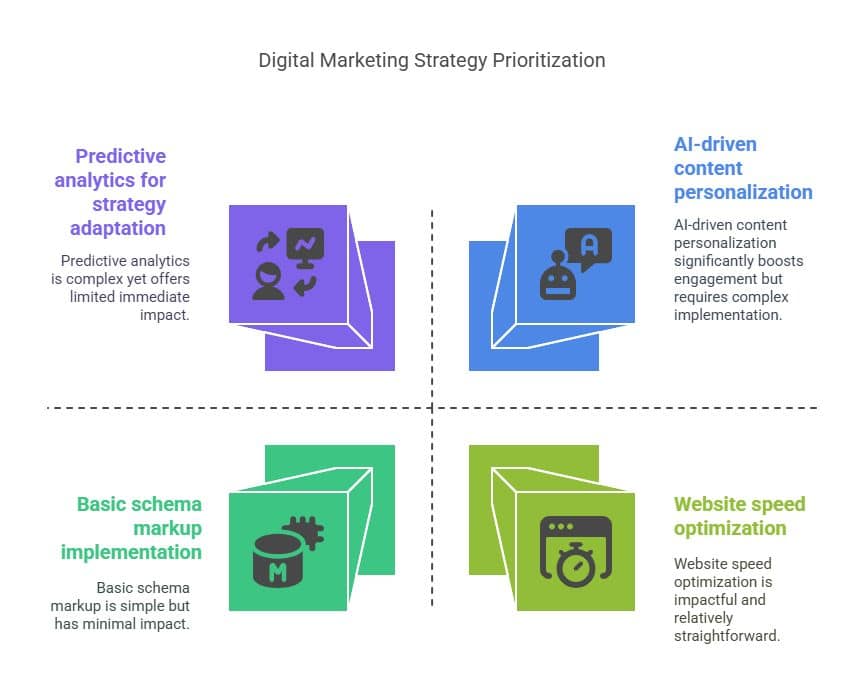
Schema markup is a powerful tool that helps search engines understand the context of your content, improving the chances of it being used in voice search results. By implementing schema markup, you provide search engines with explicit information about your content, enhancing its relevance and accuracy for voice queries.
Focus on User Experience

Enhancing websites for voice search is crucial for SEO plans. However it’s also essential to prioritize user experience to maintain strong search engine rankings over time. A superior user experience is now more critical than ever, as search engines increasingly prioritize websites that cater to the needs and expectations of their visitors.
By enhancing various aspects of user experience, websites can achieve improved engagement metrics, reduced bounce rates, and consequently, higher search rankings.
To create a user-centric website, consider the following elements:
- Site Speed: Fast loading times are crucial. Slow sites lead to user frustration and increased bounce rates, negatively impacting SEO. Utilize tools like Google PageSpeed Insights to diagnose and improve site speed.
- Mobile Optimization: With the majority of users accessing websites via mobile devices, ensuring that your site is mobile-friendly is imperative. Responsive design and mobile-first indexing are critical components of a successful mobile optimization strategy.
- Intuitive Navigation: Users should find it easy to locate information on your website. Clear, logical, and intuitive navigation enhances user satisfaction and prolongs their visit, which can lead to better search engine rankings.
- Content Relevance and Accessibility Standards: Content must be both relevant to the user’s search intent and accessible to all users, including those with disabilities. Adhering to web accessibility standards such as WCAG ensures that your content is inclusive and available to a broader audience.
Leverage AI and Machine Learning

Harnessing the power of AI and machine learning can significantly enhance SEO strategies by providing deeper insights into user behavior and search patterns. These technologies enable businesses to adopt data-driven strategies, refining how they approach search engine optimization. By leveraging AI, companies can perform content personalization, tailoring content to align with the specific preferences of different user segments, thereby improving engagement and conversion rates.
A critical component of AI in SEO is predictive analytics, which allows marketers to anticipate future trends and user needs based on current data. This forward-thinking approach ensures that content remains relevant and timely. Automated insights generated through machine learning algorithms can simplify complex data analysis, offering clear and actionable recommendations for optimizing SEO practices.
Furthermore, natural language processing (NLP) enhances the understanding of user queries, enabling search engines to process and rank content more effectively. This advancement allows businesses to optimize their content in a way that aligns with how users naturally speak and search, leading to improved search visibility.
| AI & Machine Learning Applications | SEO Benefits |
| Content Personalization | Enhanced user engagement |
| Predictive Analytics | Anticipated trends and user needs |
| Automated Insights | Simplified data analysis |
| Natural Language Processing | Improved search visibility |
Implementing these AI-driven tools allows organizations to stay ahead of algorithm updates, adapting quickly to maintain and improve their search engine rankings. By integrating machine learning into their SEO strategies, businesses not only optimize their current efforts but also gain a sustainable competitive advantage in an ever-evolving digital landscape.
Final Thoughts
Staying ahead in SEO requires adopting innovative tactics that align with current search engine standards. Optimizing for voice search through long-tail keywords and schema markup is crucial as more users rely on voice-activated devices. Prioritizing user experience by enhancing site speed, mobile optimization, and intuitive navigation ensures higher engagement and better rankings. Leveraging AI and machine learning for content personalization, predictive analytics, and automated insights empowers businesses to proactively adapt their strategies.
Ready to elevate your SEO strategy with cutting-edge tactics? Connect with Syville Gacutan, an experienced SEO Specialist in the Philippines. Get personalized insights, advanced optimization techniques, and data-driven strategies to boost your online visibility. Let’s keep your business ahead of the competition—reach out today!